

What Is Retail Accounting? A Guide to the Retail Method of Accounting

If the first 50 items were bought at $5 each and another 50 items were later bought at $7.5 each, the LIFO method would assign a cost of $7.5 to the first items sold. Cost accounting is useful for making internal business decisions that improve a company’s production process, especially for larger businesses with more expenses. That’s a bonus for retailers, who might be worried about having to pay staff to do stock checks while keeping the doors closed. While retail accounting isn’t a separate discipline of accounting, the difference is that there’s a greater focus on inventory, which we’ll explain in this guide.
- You can learn more about accounting methods by reading IRS Publication 538.
- LIFO accounting does the opposite of FIFO by assuming that the most recently added items to the inventory are sold first, as indicated by its name.
- “The disadvantage is that it’s not especially accurate, and is only acceptable as an inventory costing method in circumstances where it does a good job of estimating the actual cost,” says Abir.
- You only need a few numbers to calculate your inventory cost using the retail method, and you don’t need to take a physical inventory count to get a good idea of what your ending inventory value is.
- Billie Anne is a freelance writer who has also been a bookkeeper since before the turn of the century.
- If you’re a small business looking to understand your inventory value, retail accounting might be a good option.
Accounting for Retail Business – Retail Inventory Basics

One of the key challenges of running a retail business is tracking inventory, especially if you buy multiple inventory units that don’t all cost the same amount. If this is the case, you need to figure out a way to assume the cost of goods sold so that you can compare this to your ending inventory and calculate your profit. Note that this method does not track the physical movement of goods sold but rather assigns cost to the inventory, so you can determine your profit later. As for the disadvantages, retail accounting is only an estimate and won’t be as accurate as other methods.
- This rule is in place to keep business owners from “gaming the system” by frequently switching costing methods to get the best tax advantages.
- Whereas income statements cover a period of time, like a week, month or year, balance sheets are for an exact date and time.
- Our editorial team independently evaluates and recommends products and services based on their research and expertise.
- It is crucial to prevent spoilage or expired products, which would inevitably lead to disposal.
- Let’s assume you took a physical inventory count at the beginning of the quarter, and you know the actual cost of your inventory as of that date was $80,000.
Advantages and disadvantages of retail accounting
It’s also convenient since you don’t have to physically count inventory every time. The first in, first out (FIFO) is an inventory costing method that calculates inventory value, considering that the goods you acquired first are the first ones you sell. This method is Remote Bookkeeping commonly used by businesses that sell inventory with an expiration date, like food and drinks.
How to Run a Smarter Home Goods Store
- It might be more likely that the dice have gotten mixed up in your bucket, and there’s a good chance you’ve sold a number of dice from all three orders you placed.
- The best accounting software also helps you fill out important financial documents, like income statements, balance sheets and cash flow statements.
- In retail accounting, you estimate your inventory’s value rather than calculate it manually.
- FIFO is often considered a more accurate reflection of a business’s actual costs and is in harmony with generally accepted accounting principles (GAAP).
- The data produced through managerial accounting is never used for external purposes.
- Your inventory value would then be $180 since you have five basketballs left purchased for $6 each and 30 left for $5 each.
- If you have a retail store, you probably considered using retail accounting.
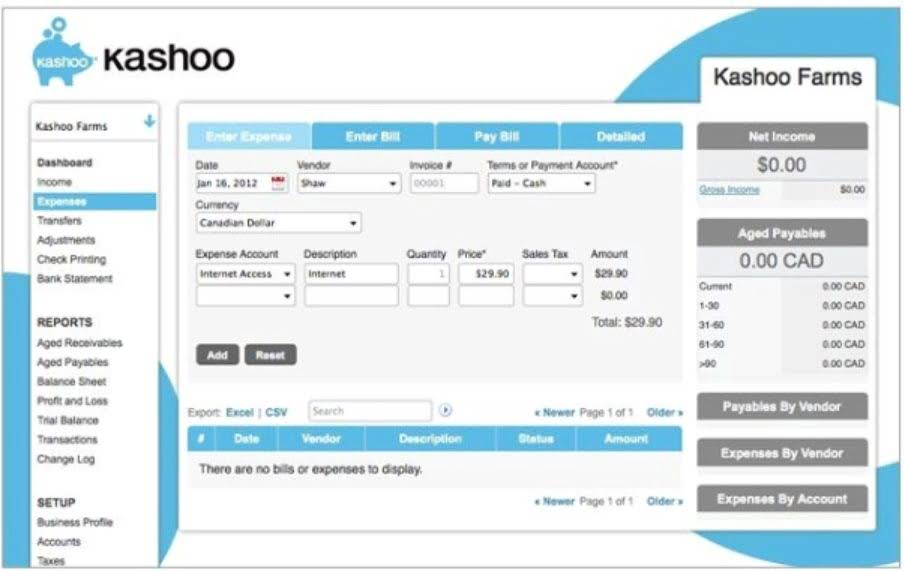
Retail accounting simplifies the process of monitoring inventory costs compared to other methods. It uses retail accounting software to thoroughly What is bookkeeping track inventory at retail prices, helping identify stock losses, damages, and theft. This approach allows business owners to monitor the cost of sales, i.e., Cost of Goods Sold (COGS), also known as the retail inventory accounting method. Accounting software keeps track of all of your finances, including purchase and sales orders, created invoices, accounts receivable, and accounts payable. Most modern solutions will integrate with your POS system for coordinated inventory and cost tracking. The best accounting software also helps you fill out important financial documents, like income statements, balance sheets and cash flow statements.
This allows the retailer to quickly arrive at an retail accounting approximate value of inventory, without having to take a physical count or match cost to items still on hand. The cash flow statement is similar to the income statement in that it tracks the money that comes in and out of your business. However, the cash flow statement is more specific about when these transactions occur.
Because you assign the same prices and markup for products, it’s also unrealistic, especially if prices change often or if you have discounts and promotions. You might need to find a more accurate method to use with retail accounting to get the exact prices and inventory values. The retail method is different from the other costing methods since it values the inventory based on the retail price instead of the cost to acquire them. This method helps you get an approximate value for your inventory without having to count the inventory often.
